
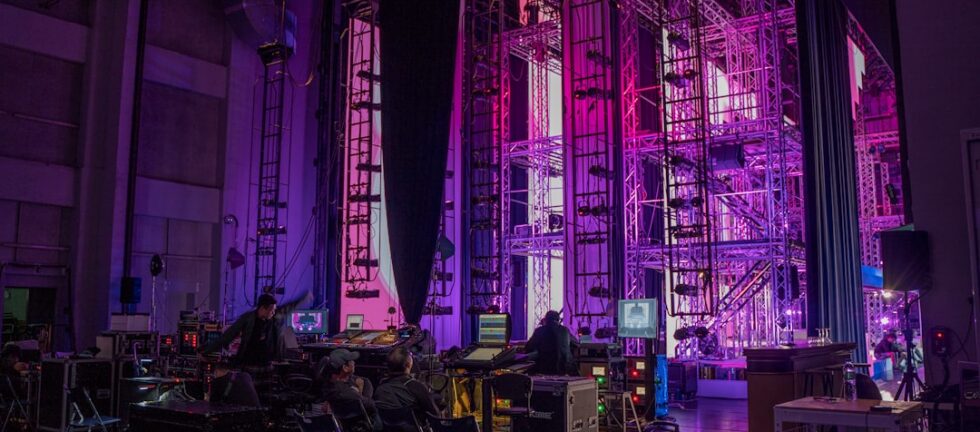
An audiovisual request for proposal should do more than ask vendors to provide equipment and pricing. It should give prospective production partners enough information to understand your event, identify technical requirements and recommend the right production approach.
When important details are missing, proposals can vary dramatically. One company may include rehearsals, onsite technicians and backup equipment, while another may quote equipment alone. That makes it difficult to compare pricing or understand what your event actually requires.
Use this event AV RFP checklist to create a clearer production brief and receive proposals that are easier to evaluate.
1. Begin With the Event Overview
Start by establishing the basic scope of the event:
- Event name and purpose
- Event type, such as a conference, annual meeting, gala, awards program or corporate town hall
- Event dates and location
- Expected attendance
- In-person, virtual or hybrid format
- Number of event days
- Venue status
- Primary audience
- Overall event goals
Explain the experience you want to create—not only the equipment you think you need. A production partner can often recommend a more effective solution when they understand the audience, program and desired atmosphere.
2. Include the Agenda and Room Schedule
Your agenda helps the production team evaluate equipment, staffing and transition requirements.
- General sessions
- Breakout sessions
- Receptions and networking events
- Meal functions
- Exhibitor or sponsor areas
- Speaker rehearsals
- Entertainment
- Awards presentations
- Load-in and breakdown periods
If the final agenda is unavailable, provide a working draft and clearly identify the sections that may change. For multi-room conferences, include room capacities and indicate whether sessions will run simultaneously.
3. Describe the Audio Requirements
Clear, consistent sound is essential for presentations, panels and live entertainment. Your RFP should identify:
- Number of presenters and panelists
- Preferred microphone types, if known
- Audience question-and-answer sessions
- Walk-in and transition music
- Video playback with audio
- Entertainment or live performers
- Press or recording feeds
- Assistive-listening requirements
- Breakout-room amplification
- Recording or streaming needs
You do not need to create the technical equipment list yourself. Describe what will happen during the program and allow the audiovisual team to recommend the appropriate system.
4. Explain the Video and Presentation Needs
Tell prospective production partners how visual content will be used throughout the event.
- Presentation screens or LED displays
- Presentation-management support
- Confidence monitors for speakers
- Video playback
- Live camera coverage
- Image magnification for large rooms
- Sponsor recognition
- Digital signage
- Remote speakers
- Recording and livestreaming
- Countdown timers and speaker notes
5. Outline Lighting, Staging and Scenic Design
Lighting and scenic elements shape how the room feels—and how speakers and branded content appear in person and on camera.
- Stage dimensions and height
- Lecterns and stage furniture
- Scenic backdrops and branded elements
- LED walls or projection surfaces
- Stage and room lighting
- Sponsor branding
- Rigging
- Power distribution
- Entertainment lighting
If you have renderings, inspiration images or brand guidelines, include them as references while allowing room for practical production recommendations.
6. Identify Hybrid, Streaming and Recording Requirements
A hybrid event is not simply an in-person meeting with a camera pointed toward the stage.
- Which sessions will be streamed
- Where remote attendees will participate
- Whether remote speakers will present
- The preferred virtual platform
- Whether attendees need chat, polling or moderated questions
- Recording and editing expectations
- Captioning or language-support needs
- How long recordings should remain available
- Whether separate presentation feeds are required
Reliable production internet should also be discussed with both the venue and your hybrid-event production partner.
7. Include Accessibility Requirements
Accessibility belongs in pre-production—not as a last-minute addition.
- Live captions or CART
- Captioned prerecorded videos
- Assistive-listening systems
- ASL interpreters
- Interpreter lighting and positioning
- Accessible digital presentations
- Clear stage and screen sightlines
- Remote-attendee access
- Accommodation-request coordination
When accessibility needs are discussed early, the production team can incorporate them into the room design, equipment plan, staffing and rehearsal schedule.
8. Document Venue Rules and Responsibilities
Venue policies can significantly affect production costs and scheduling. Ask the venue about:
- Outside audiovisual-provider policies
- Exclusive services
- Union labor
- Rigging and electrical power
- Internet
- Loading-dock and freight-elevator access
- Security and insurance requirements
- Storage and parking
- Noise restrictions
- Approved installation periods
- Overtime rules
Clarify which services must be purchased through the venue and which may be provided by your production partner.
9. Provide the Complete Production Schedule
Include anticipated times for equipment delivery, load-in, installation, speaker rehearsals, technical rehearsals, doors opening, program start and finish, room changes, equipment removal and load-out.
An accurate schedule allows vendors to calculate labor responsibly and determine whether overnight work, additional shifts or simultaneous crews will be required.
10. Share Your Budget and Priorities
Providing a realistic budget range helps the production team design within your parameters. If the budget is still being developed, identify your priorities.
- Audience experience
- Speech clarity
- Scenic impact
- Livestream quality
- Recording
- Sponsor visibility
- Breakout-room consistency
- Accessibility
- Flexibility for program changes
A strong production partner should help you understand tradeoffs and identify thoughtful ways to protect the most important parts of the experience.
11. Request Transparent Proposal Details
Ask each company to clearly identify:
- Equipment
- Labor
- Travel and transportation
- Setup and removal
- Rehearsal coverage
- Overtime assumptions
- Internet or power costs
- Venue charges
- Taxes
- Optional enhancements
- Exclusions
- Cancellation terms
- Change-order procedures
This makes it easier to compare proposals based on scope and value—not simply the total at the bottom of the page.
12. Attach Supporting Information
- Draft agenda
- Room diagrams and venue floor plans
- Previous equipment lists or show documents
- Brand guidelines
- Scenic inspiration
- Speaker count
- Presentation schedule
- Photography or video references
- Venue policies
Choose a Production Partner, Not Just an Equipment Provider
The right audiovisual company should understand your event’s purpose, anticipate challenges and collaborate with planners, venues, speakers and other vendors.
Freedom Audio Visual supports conferences, meetings, galas and live productions with audio, video, lighting, staging, event management and experienced technicians nationwide.
Planning an upcoming program? Share your event details and begin the production conversation with our team.
Frequently Asked Questions
Do I need to know exactly which AV equipment to request?
No. Describe the event, agenda, rooms, audience and desired experience. An experienced production partner can translate those requirements into an appropriate technical plan.
When should I request an audiovisual proposal?
Begin the conversation once your venue, dates and initial program requirements are established. Large, multi-room, hybrid or technically complex events benefit from earlier collaboration.
How can I compare AV proposals fairly?
Confirm that every proposal includes the same rooms, program hours, rehearsals, labor expectations, equipment, travel and venue-related costs. Review exclusions and assumptions as carefully as the quoted total.